Cabrillo National Monument.

Program Management  ·  Public Engagement  ·  Stakeholder Coordination  ·  National Park Service

Two terms as an Associate in the park's Interpretation program, designing, running, measuring and documenting public engagement programs end-to-end so they survived past my tenure.

Role
Interpretation Associate
Duration
2 Terms (multi-season)
Client
Cabrillo NM (NPS)
Output
Programs, SOPs, materials
Día de los Muertos altar at the Cabrillo Visitor Center
01

The Program

Public engagement at a federal park, against a fixed audience and a fixed calendar.

The Setting

Cabrillo National Monument sits at the tip of Point Loma in San Diego, coastal scrub on the bluffs, an intertidal zone below and the Old Point Loma Lighthouse on top. Visitors arrive across all ages, languages, and prior knowledge levels, often for an hour at most.

The Role

I worked as an Associate in the park's Interpretation program, the team responsible for the educational and cultural programming visitors actually engage with. My remit covered scoping, designing, facilitating, measuring and writing the SOPs that let the next person run each program without me.

PROGRAM CHALLENGE

"How do you run public-engagement programs that scale across staff turnover, multiple seasons and a 7-to-70 audience, when your only signal is whether someone walks up?"

02

The Playbook

A repeatable model I wrote down so the next intern wouldn't start from scratch.

Most of the work was running events. The most useful artifact I produced was the process behind them: a written guide called "A Mini Guide on Pop-Up Programs" that codified the 7-step model below. Future associates inherit a system, not just a folder of files.

STEP 01
Theme
Pick the message and the educational anchor first. Activities follow.
STEP 02
Interpretive Question
What question do we want a visitor to walk away asking? Drives engagement, not recall.
STEP 03
Research
The most time-consuming step. Done in a shared workspace so the next person can fact-check.
STEP 04
Materials
Designed in Canva/Adobe; resourceful with what the office already has. Print-ready.
STEP 05
Location
Picked for visitor flow + proximity to the resource being interpreted (e.g., whale overlook for whales).
STEP 06
Activity & Promotion
Built for a wide age range. Promoted via partner social channels in advance.
STEP 07
Measurement
Clicker counts of meaningful interactions, worksheet completions, prizes given out, logged for end-of-year reporting.
Why this mattered

The Interpretation program runs on rotating interns and seasonal staff. Without documented process, every new associate reinvents the wheel and the program loses institutional memory. Writing the playbook was a deliberate PM move, one document that compounds across every future event.

03

Initiative 01: Guided Whale Watching

A multi-week program run two seasons in a row, with a documented handoff for the third.

The Opportunity

Gray whales migrate past Point Loma every December–February. Cabrillo was historically a pioneer in land-based whale watching, but the program had lapsed. I designed and ran a multi-week pop-up to revive it, first in 2024, then expanded for 2025.

What I Owned

Program scoping, partnership with subject experts, activity workbook, on-site facilitation, social promotion across two seasons, weekly tuning based on attendance and the SOP that let the program run again in 2025 without me re-spec'ing it.

Program shape

Cadence
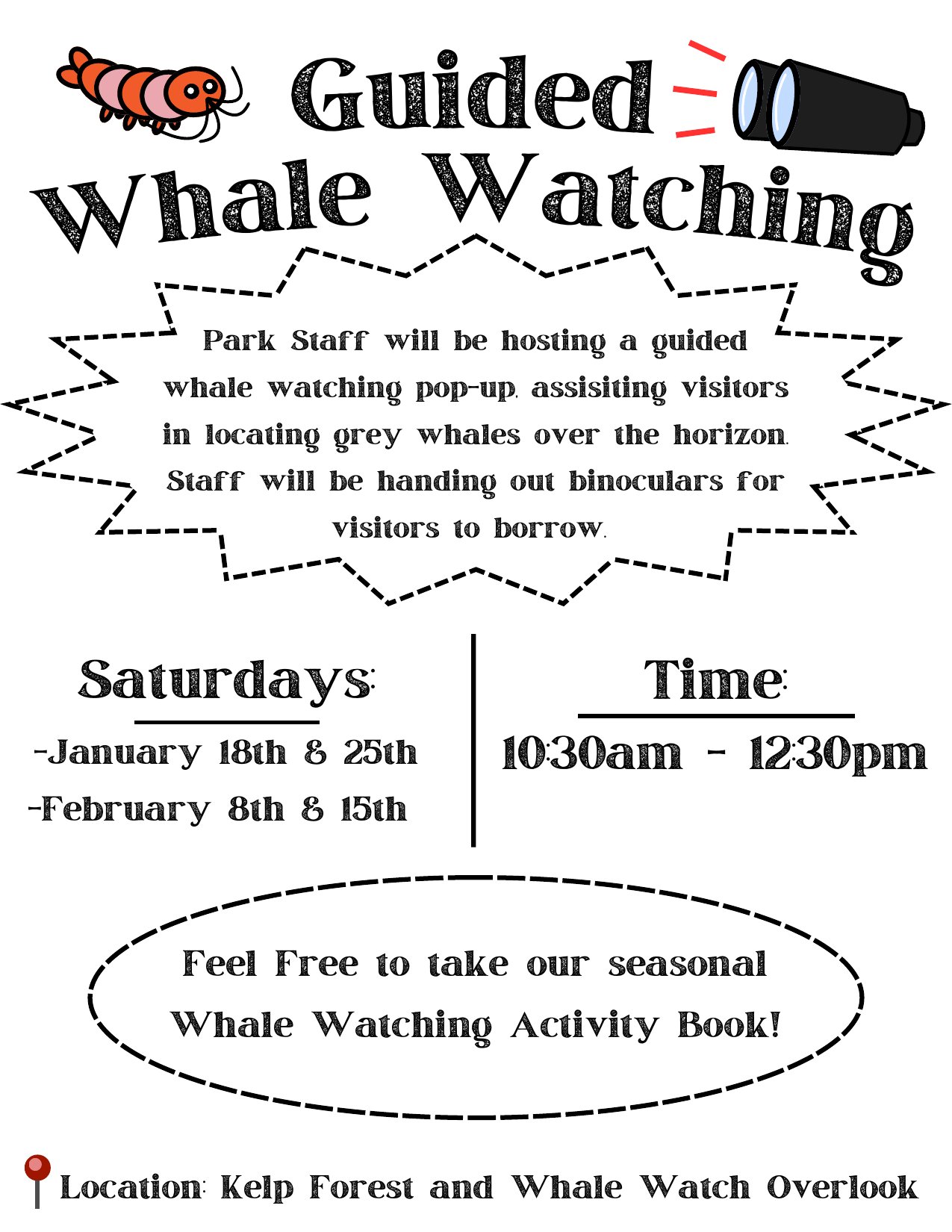
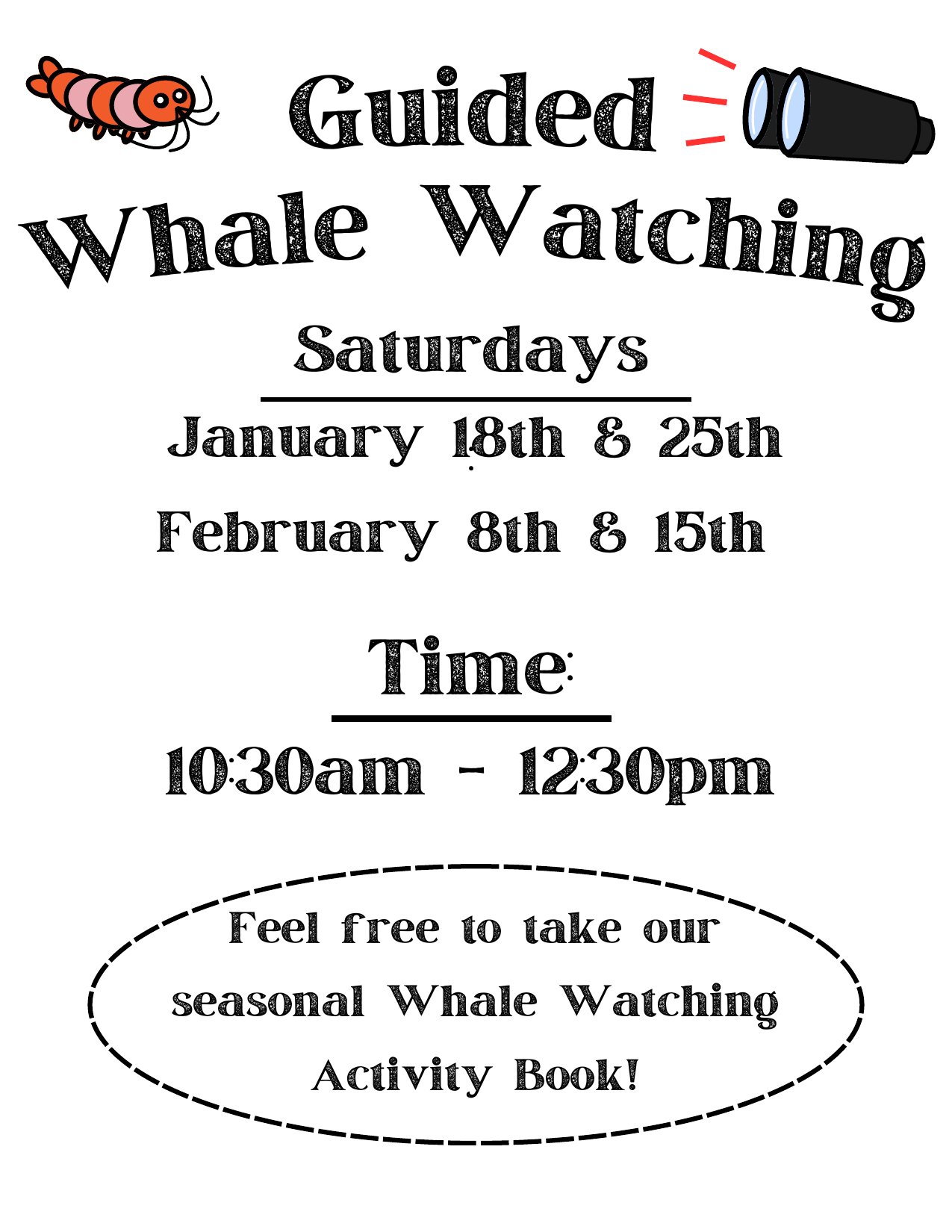
4 Saturdays per season, 10:30am–12:30pm, at Kelp Forest & Whale Watch Overlook.
Materials
Borrowed binoculars, fact sheets and a Gray Whale Activity Book (anatomy match, migration map, observation centerfold, final report) I designed in Canva.
Promotion
IG posts on partner accounts in the weeks leading up, flyer art, dated week-by-week schedule. Eye-catching > information-dense.
Facilitation
Walk visitors from the Visitor Center to the overlook, hand out binoculars, guide what to look for (flukes, spouts, boat trails), answer the standard 4 questions.
Guided Whale Watching IG flyer (2025 season)
Calendar IG post listing the four Saturdays
Whale tail photographed from a Cabrillo overlook
The activity book

Flip through the Gray Whale Watching booklet

Cover → instructions → anatomy match → migration map → observation centerfold → final report → thank-you stamp page. Click the right edge to turn each page.

Booklet page
Cross-functional

I partnered with Park Ranger Amanda, who had run earlier versions, to absorb institutional knowledge before launch. Then I wrote a public Canva for the activity book and a Grey Whale Watching SOP, both editable so future facilitators can extend the program rather than rebuild it.

04

Initiative 02: Eco-Web

A two-deck educational card game on California food webs, designed against explicit user-research requirements.

The Brief

A reusable activity for outreach events and classrooms that explains how disruptions cascade through an ecosystem, without a science background and without losing a 10-year-old halfway through.

The Frame

Facilitator-led: a ranger or teacher draws a scenario card and players reason out cascading effects. The right answer is the conversation, not a card flip.

User-centered requirements (from the SOP)

Cognitive Load
Has to be quick and digestible. A long, dense activity loses participants mid-way. Each card carries one idea.
Accessibility
Plain language for scientific terms. Designed for ESL learners, K–12 students and adults across knowledge levels.
Learning Outcome
Players walk away knowing X, Y, Z, but more importantly, motivated to repeat what they learned. Conversation over correctness.

The card system

SetContentsFunction
Animal CardsCalifornia natives across two ecosystems, coastal scrub (Bumble Bee, Prickly Pear, Black Phoebe, Cooper's Hawk, Grey Fox, Gopher Snake, Red-tailed Hawk, Crawford's Grey Shrew, Desert Cottontail) and intertidal/marine (Brown Algae, Bat Star, Blueband Hermit Crab, Garibaldi, Osprey, Common Dolphin)Build the food web before scenarios begin
Scenario CardsDisruption events, disease, new predator, drought, chemical spill, invasive species, ocean acidification, intertidal invaderTrigger reasoning about cascading effects
Resource IconsSunlight, Water (H₂O), Nutrient (N/C) atomic-style icons used as a shared visual vocabulary across both decksSame language across ecosystems → cards mix and combine

The full deck

15 species across two decks, coastal scrub on top, intertidal/marine on the bottom row. Each card carries a photograph, common + scientific name and the prey-icon row that drives the food-web reasoning.

Black Phoebe
Cooper's Hawk
Red-tailed Hawk
Crawford's Grey Shrew
Grey Fox
Gopher Snake
Desert Cottontail
California Bumble Bee
Coastal Prickly Pear
Bat Star
Blueband Hermit Crab
Brown Algae
Garibaldi
Osprey
Common Dolphin
Built to be extended

The SOP I wrote includes a "Future Refinements" section, a 4-step process (research → wireframe the new relationships → design new cards → user-test before merging) so future staff can extend the deck without breaking the visual or pedagogical system.

05

Initiative 03: Junior Botanist (Spring Flower Hunt)

A native-plant scavenger hunt, and the only program where I got to A/B test the launch.

What it was

Visitors got a foldable scavenger hunt at the Visitor Center, walked the park's grassland and coastal trails to find five native plants, photographed their favorite and returned to redeem a prize. An accompanying info table, with live plants from the park greenhouse, caught visitors who didn't want to walk.

Cross-functional

Coordinated with Patricia, the park's Vegetation Specialist, to request a crate of in-bloom plants from the greenhouse for the table. Live plants ended up being the centerpiece, a reminder that the right ask to the right partner beats anything I could've designed alone.

THE DATA POINT I CARE ABOUT

The first run was a quiet test. The second run, same activity, same location, same staff, went out with full social-media advertisement.

It pulled 10× the participants.

That gap is the whole reason I take program-level promotion seriously. The activity wasn't the lever, the activity was already good. The lever was making sure people knew it existed before they showed up at the park. Every program I ran after that got a real promotion plan baked into the timeline, not bolted on at the end.

Junior Botanist scavenger hunt, foldable book and native plant identification grid
06

Program Breadth

Smaller initiatives that filled out the program calendar, each treated as a real launch.

Open Tower Day
Activity booklet + Historical Explorer passport for the lighthouse open-tower event. Bingo card doubles as a scavenger hunt, items like Sea Dahlia, Shaw's Agave and the Cabrillo Statue exist at specific locations and pull visitors through the full park.
Cabrillo Birthday Pop-Up
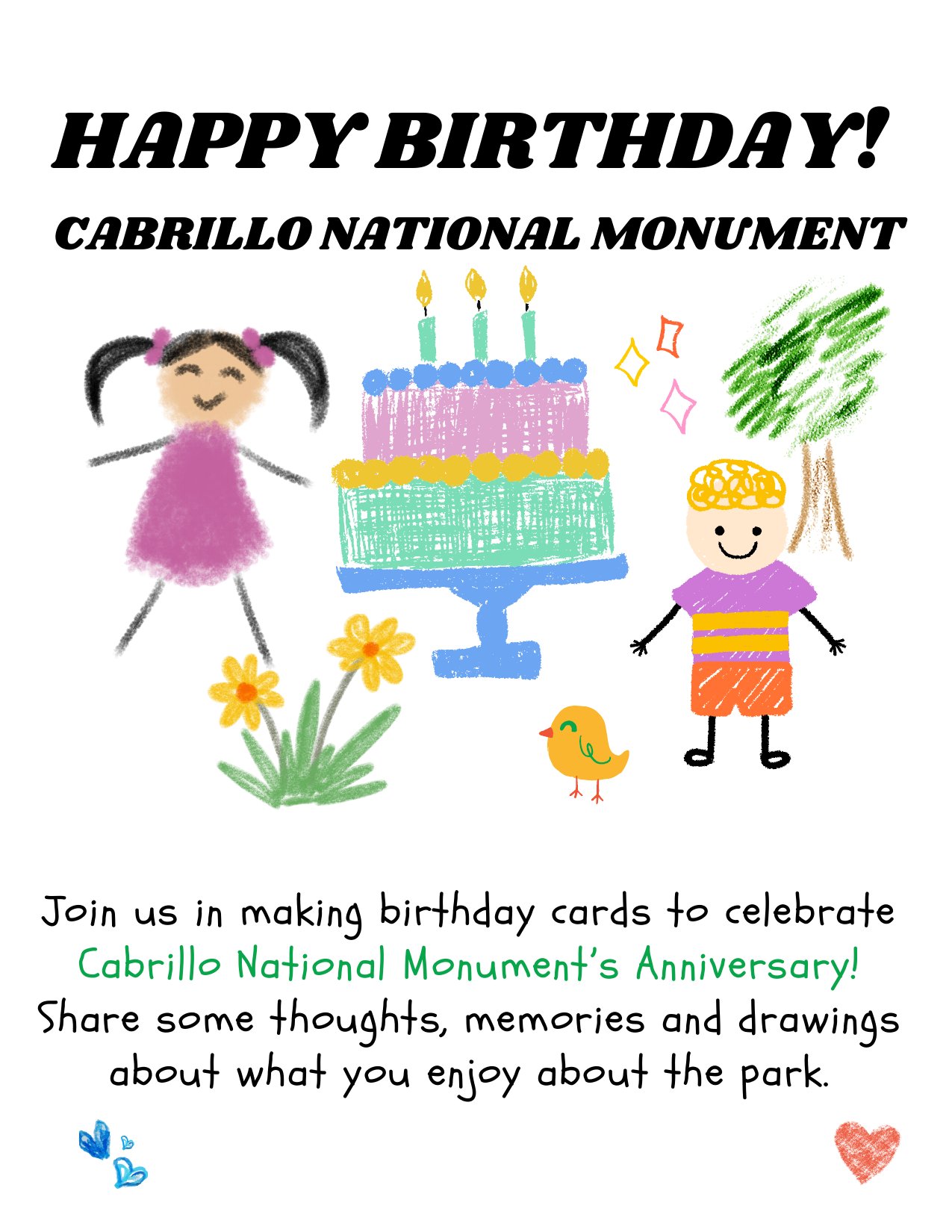
Visitors made birthday cards for the park's anniversary, sharing memories and what they enjoy. Coloring-friendly, designed to hand to a kid with no instruction.
Día de los Muertos
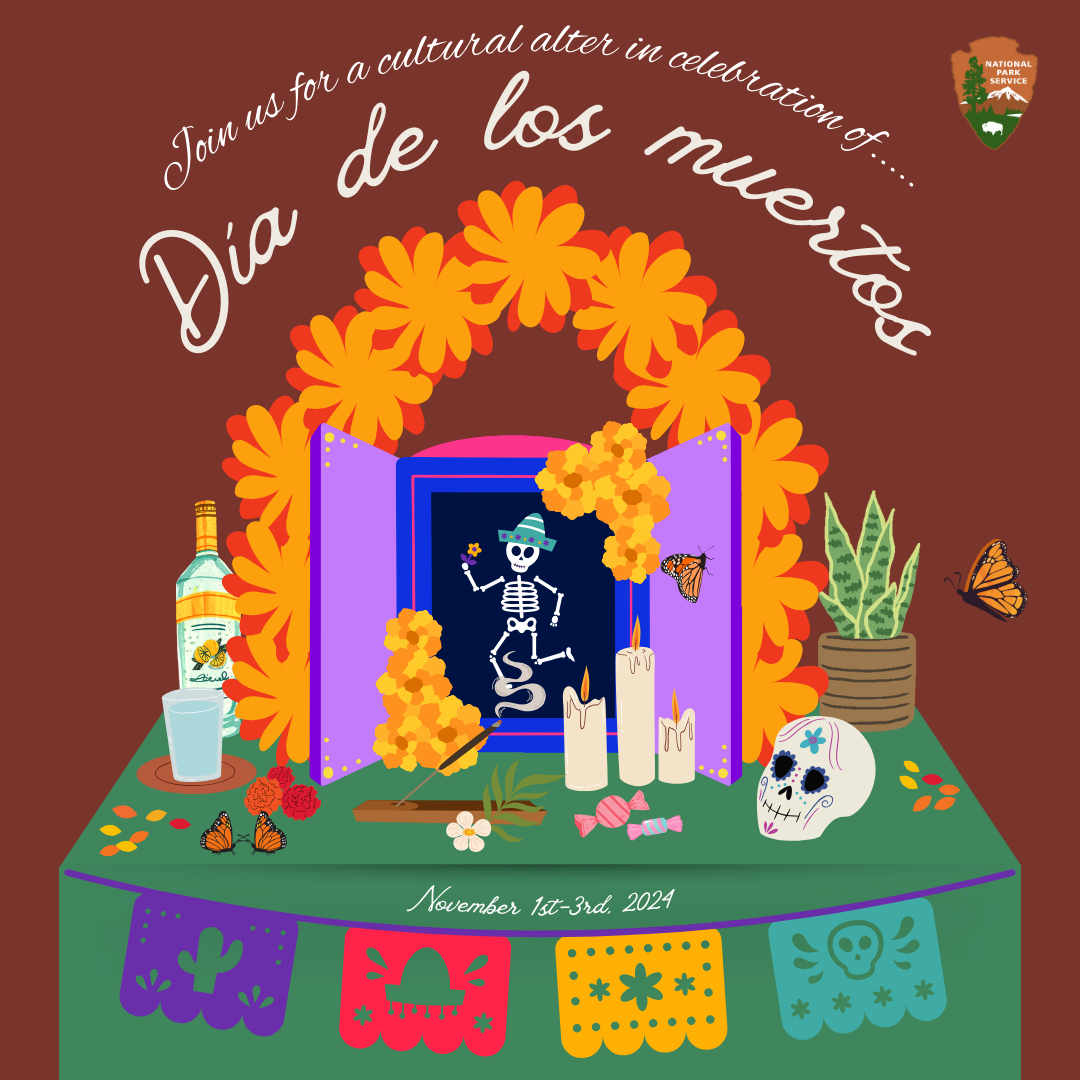
Cultural program celebrating Día de los Muertos, promotional poster and on-site altar activity. Brought a tradition into the park calendar that hadn't been programmed before.
Gratitude Season
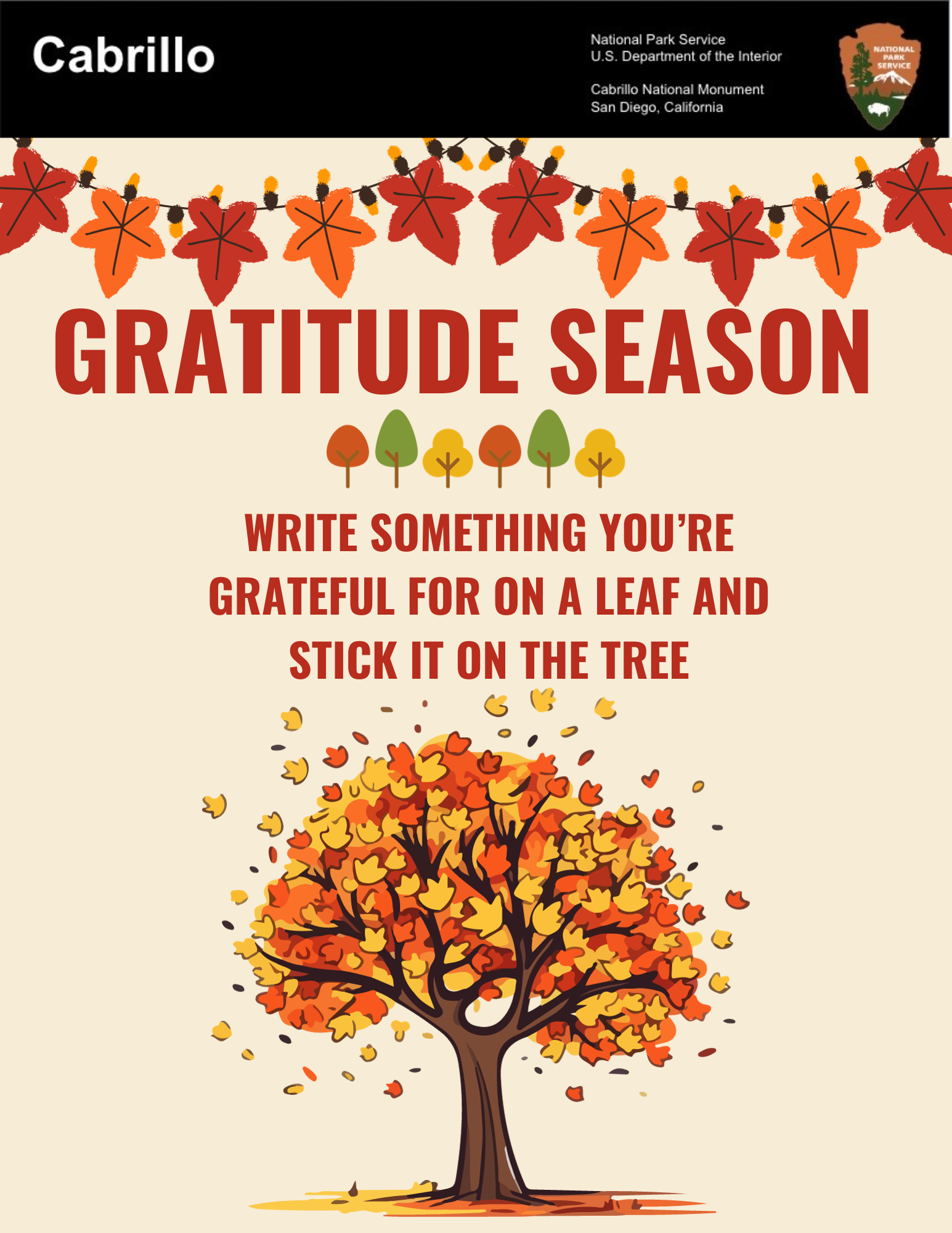
Community gratitude tree, visitors wrote what they're thankful for on a leaf and stuck it on a shared tree near the Visitor Center. Asynchronous, low-touch, high participation.
Nature Journal
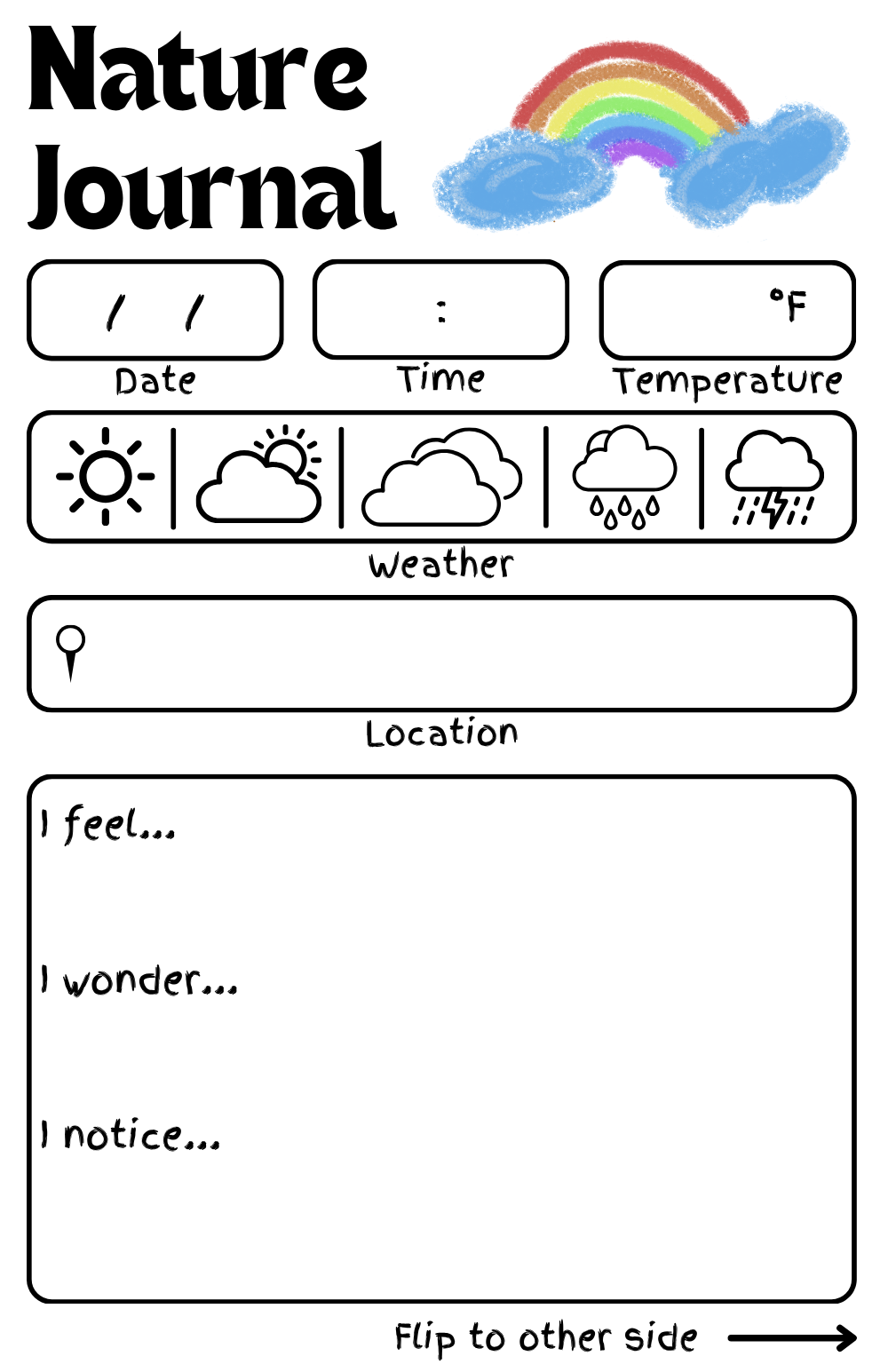
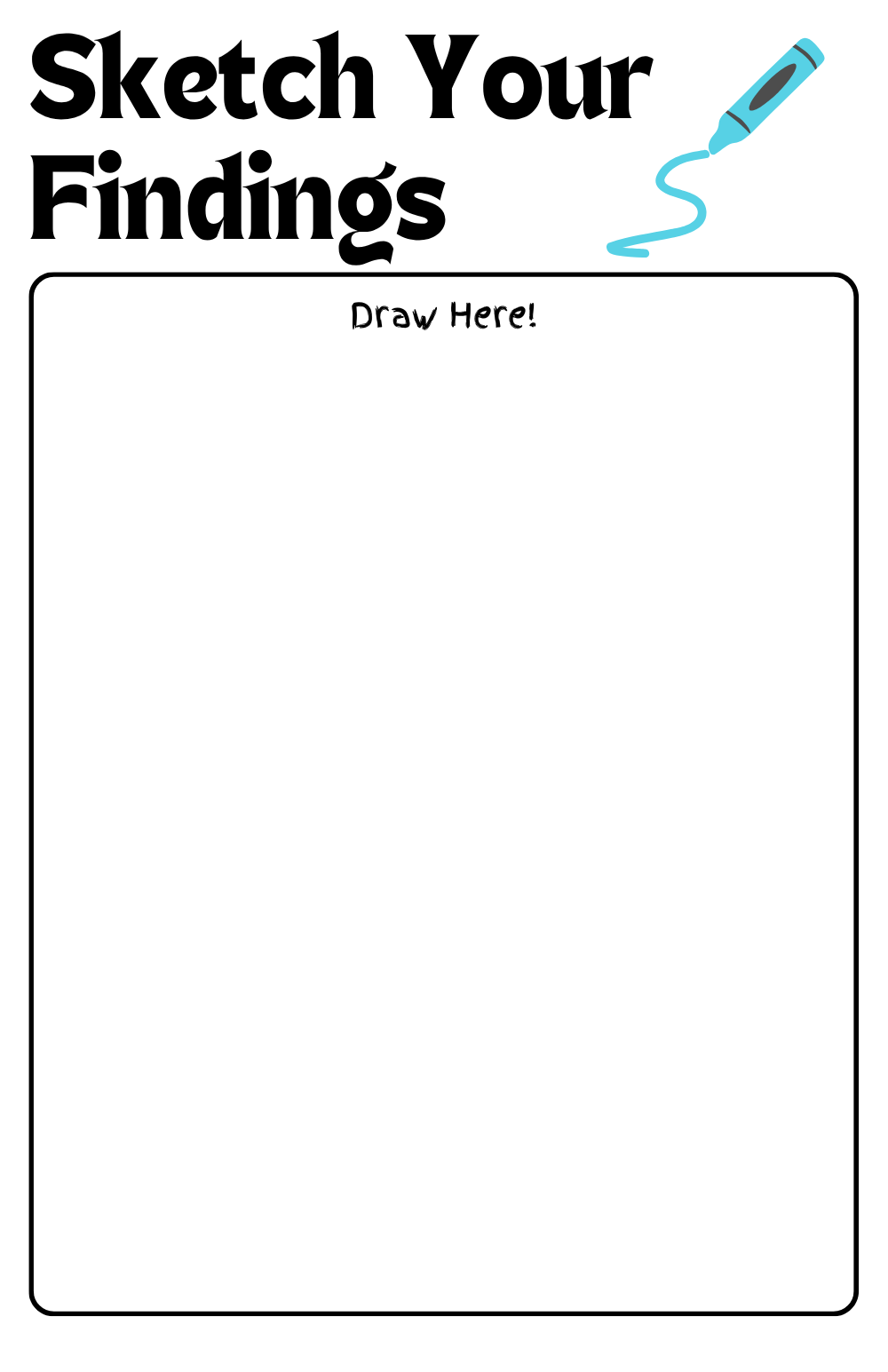
A two-page observational worksheet (date, weather, location, "I feel / I wonder / I notice" + sketch space) used across multiple programs. Reusable across seasons rather than one-off.
Cabrillo Birthday Pop-Up flyer
Gratitude Season tree activity flyer
Día de los Muertos altar poster
Nature Journal observational worksheet
The Open Tower Day booklet

Eight panels, page by page

One folded sheet, eight panels, cover, how-to-play, word hunt, "ask a ranger" prompt, draw, BINGO, lighthouse stamps and event checklist. Click the right edge to flip.

Booklet page
07

Measurement & Iteration

What I tracked, why, and how the numbers changed how I ran the next program.

01
Interpretive contacts

Clicker counts of meaningful interactions, required for end-of-year reporting at the park level. The same number tells you whether your pop-up is working and gives leadership a quantifiable program impact at the end of the season.

02
Worksheet completion rate

For programs that used activity books, I tracked how many were handed out vs. completed. That ratio tells you whether the activity is the draw or whether people are just collecting collateral.

03
Promotion lift

The 10× participation gap between the test and advertised runs of Junior Botanist. After that data point, every program got a real promotion plan baked into the timeline, not bolted on at the end.

04
Multi-week tuning

Whale Watching ran four Saturdays. If attendance dropped or visitors weren't engaging with the workbook, I had three more weekends to adjust the pitch, the materials or the location. Each weekend was an iteration.

08

Coordination & Handoff

The people I worked through, and the documents I left behind.

Stakeholders
  • Park Rangers, subject experts for whale watching, lighthouse history, marine ecology
  • Vegetation Specialist (Patricia), live native plants from the park greenhouse
  • Supervisors, content and timing approval before printing or promoting
  • Park social media, partner accounts on Instagram for promotion reach
  • Volunteer interpretive staff, facilitators on event days when programs ran multi-station
What I left for the next associate
  • "A Mini Guide on Pop-Up Programs", the 7-step playbook
  • Grey Whale Watching SOP, multi-week program runbook
  • Eco-Web Mini SOP, facilitator script + future-refinement guide
  • Public Canva files, for the activity books and flyers, editable by future staff
  • Promotion templates, IG post layouts dated and reusable season-to-season
The Interpretation program runs on rotating staff. The deliverable that mattered most wasn't any one event, it was making sure the next person didn't have to start from scratch.
09

Reflection

What program management at a federal park taught me, in PM terms.

Transferable skills
  • Scoping under hard constraints (fixed events, fixed audience, no rollback)
  • Cross-functional coordination with subject experts
  • Shipping to a real launch date with measurable outcomes
  • Iterating based on quantitative + qualitative signal
  • Writing documentation that survives staff turnover
What I'd bring forward

Programs aren't projects. A project ends; a program has to be runnable next season by someone who wasn't there. That mindset, designing for handoff, measuring for the next iteration, writing things down before you forget them, is what I carry into every product role.

WHAT THIS TAUGHT ME

The best work I did at Cabrillo wasn't an event. It was the document that let the next person run the event without me, and the data point that told them whether to bother promoting it.